Alex Lange · 2 September 2026
Recent studies by historians and archaeologists suggest that rituals dedicated to the Etruscan goddess Nortia may have influenced the structure of early Roman timekeeping systems. Nortia, revered as a deity of fate and destiny, was central to Etruscan practices involving the marking of years through symbolic acts. These findings draw on temple inscriptions and comparative analyses of Etruscan and Roman religious customs.
Origins of the Nail-Driving Ceremony
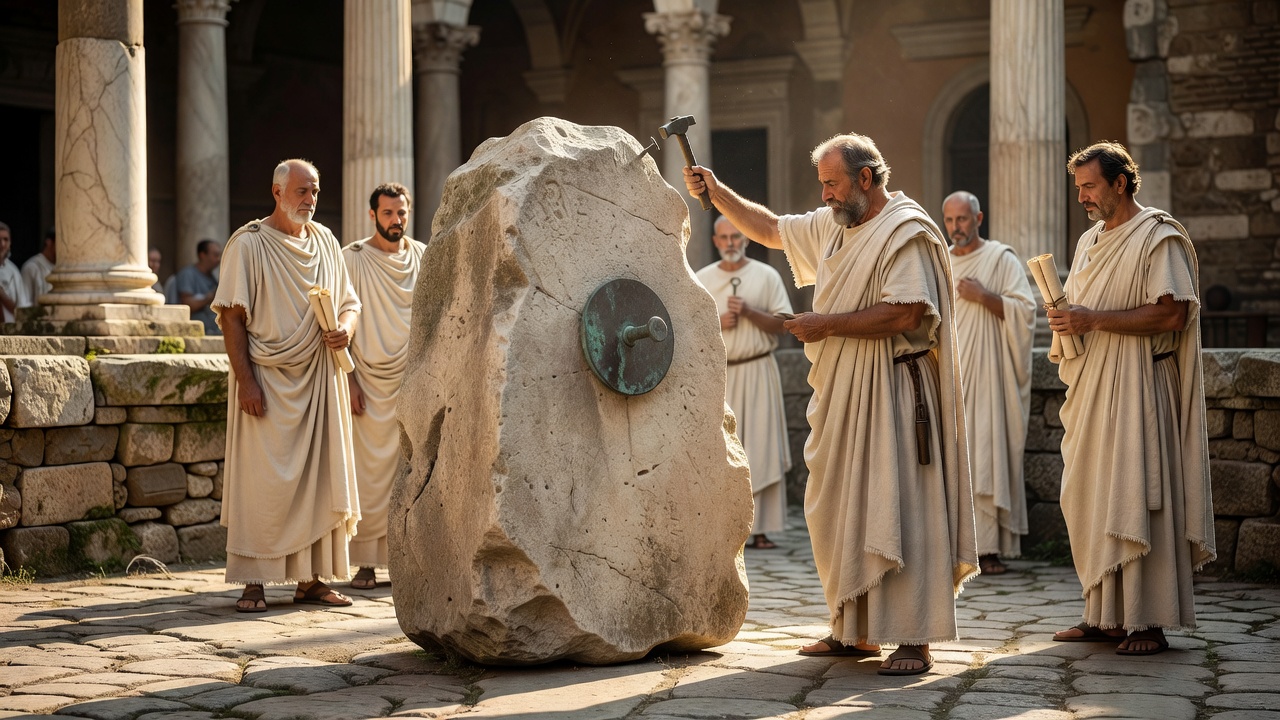
The annual ritual of driving a nail into the wall of Nortia’s temple at Volsinii served as a method to record the passage of time and affirm divine oversight of human affairs. Scholars note parallels with Roman traditions where similar nails were hammered into the temple of Jupiter on the Capitoline Hill each year. This practice likely originated in Etruscan communities before being adapted during Rome’s formative period. Evidence from excavated sites indicates that the ceremony coincided with seasonal festivals, providing a framework for agricultural and civic planning that later informed Roman calendar adjustments under kings like Numa Pompilius.
Comparative mythology reveals that Nortia’s association with fixed temporal markers helped stabilize communal memory in pre-Roman Italy. Researchers from the University of Florence have identified linguistic similarities between Etruscan terms for fate and Roman concepts of annus, suggesting cultural transmission through trade and conquest. Such links challenge previous assumptions that Roman calendar reforms were purely indigenous developments.
Impact on Roman Institutional Changes
Further analysis connects Nortia’s rituals to reforms that introduced intercalary months and aligned lunar cycles with solar observations. These changes addressed discrepancies in earlier Etruscan-derived systems, enhancing administrative efficiency in the expanding Roman state. Primary sources, including fragments from Varro and Livy, hint at Etruscan priests advising on these modifications, preserving core elements of Nortia worship within new civic frameworks.
Modern excavations continue to yield artifacts supporting this continuity, such as inscribed nails and votive offerings that mirror Roman counterparts. The integration of these practices underscores the profound Etruscan contribution to Roman religious and temporal institutions, reshaping understandings of cultural exchange in ancient Italy.